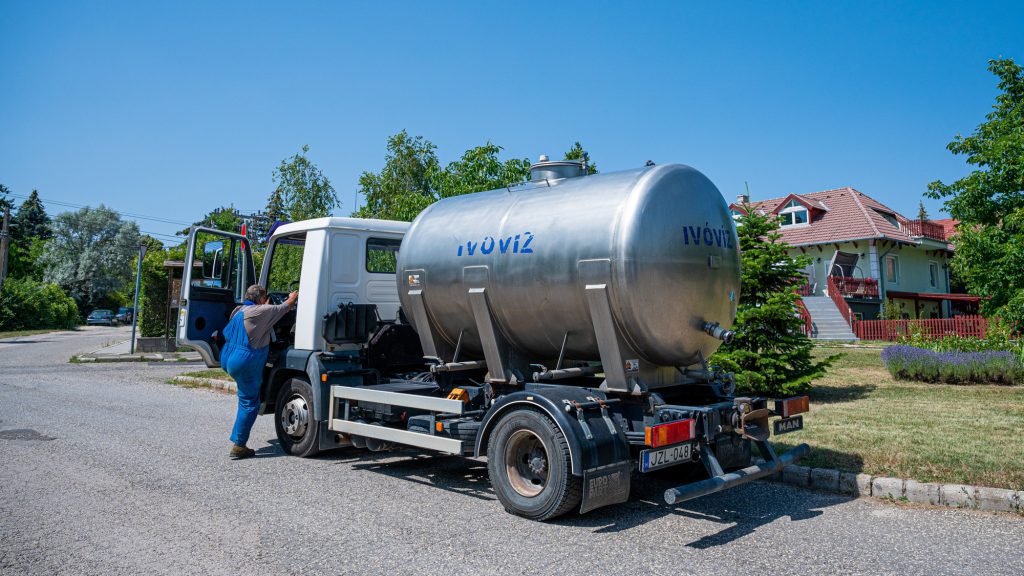

Water consumption is once again on the rise with the arrival of the summer, bringing the tragic state of the domestic drinking water supply infrastructure back into focus. The surge in demand for water services across the country is exposing the systemic problems of the pipeline network: besides pipe bursts and temporary service outages, certain settlements are experiencing water shortages lasting several days, while in some areas tap water turns dirty, cloudy or discoloured from time to time.
These systemic issues are not as tangible as in the case of the state railways or the healthcare system: here, the problem “migrates” – malfunctions appear unexpectedly and in a way that service providers cannot foresee, in different parts of the country. Put simply: regarding pipe bursts, it is far from typical for every citizen to experience a lack of drinking water for at least an hour each year.
Even in the first month of summer, emergency situations affecting drinking water supply have already received significant media coverage. Just a few examples:
- The safe supply of drinking water was jeopardised in several towns around Budapest, prompting the introduction of water usage restrictions.
- A pipe burst resulted in an interruption of water services lasting 4–6 days in three towns in Komárom-Esztergom County. Around 14,000 people were left without water as a result.
- Another pipe burst caused water supply to be suspended for about a day in several towns on the northern shore of Lake Balaton.
- The town of Szászvár in Baranya County is facing severe drinking water supply issues. The opening of the local swimming pool has been postponed.
No solution in sight – at least not next year
The water utility development needs of industrial water users – especially actors in the battery industry – continue to enjoy significantly higher priority at the governmental level than the problems of the domestic drinking water network and residential water supply. The 2026 budget bill reveals that no dedicated funds have been allocated for the reconstruction of the residential water network, while infrastructure linked to industrial players continues to receive abundant funding.